Fintech
paymentapp
Product Psychology
Mobile UX
Case Study
How Google Pay Mastered India's Micro-Transactions: A UX Case Study
By: Kirtika Srivastava

Have you ever stood at a crowded tapri, ordered a ₹10 cutting chai, and paid via UPI without even thinking about it?
In India, making digital payments has become as natural as breathing. But back in 2017, when Google launched Tez (which later became Google Pay), the Indian digital payment landscape was incredibly cluttered. Apps looked like digital wallets packed with recharge options, flashing banners, and confusing menus.
Google Pay changed the game entirely. How? Not by introducing a groundbreaking new technology, but by mastering Micro-Transactions through human-centered UX.
Let’s break down the exact design psychology and UX choices that made GPay an undisputed daily habit for millions.
1. The Death of the "Wallet" Metaphor
Before GPay, apps like Paytm forced you to "add money" to a digital wallet before spending it. This created major friction. Users hated seeing their money stuck in a third-party app.
Google Pay flipped the script. They realized that in India, cash flows directly from a person to another person. So, they ditched the complex banking dashboard layout and adopted a Chat-Based Interface.
Look at your GPay home screen. It doesn't look like a bank account; it looks like WhatsApp. Your local grocer, your milkman, and your best friend live on the same contact grid. By turning transaction histories into conversational chat threads, GPay made sending money feel as safe and casual as sending a text message.
2. Eliminating Choice Overload (Hick’s Law)
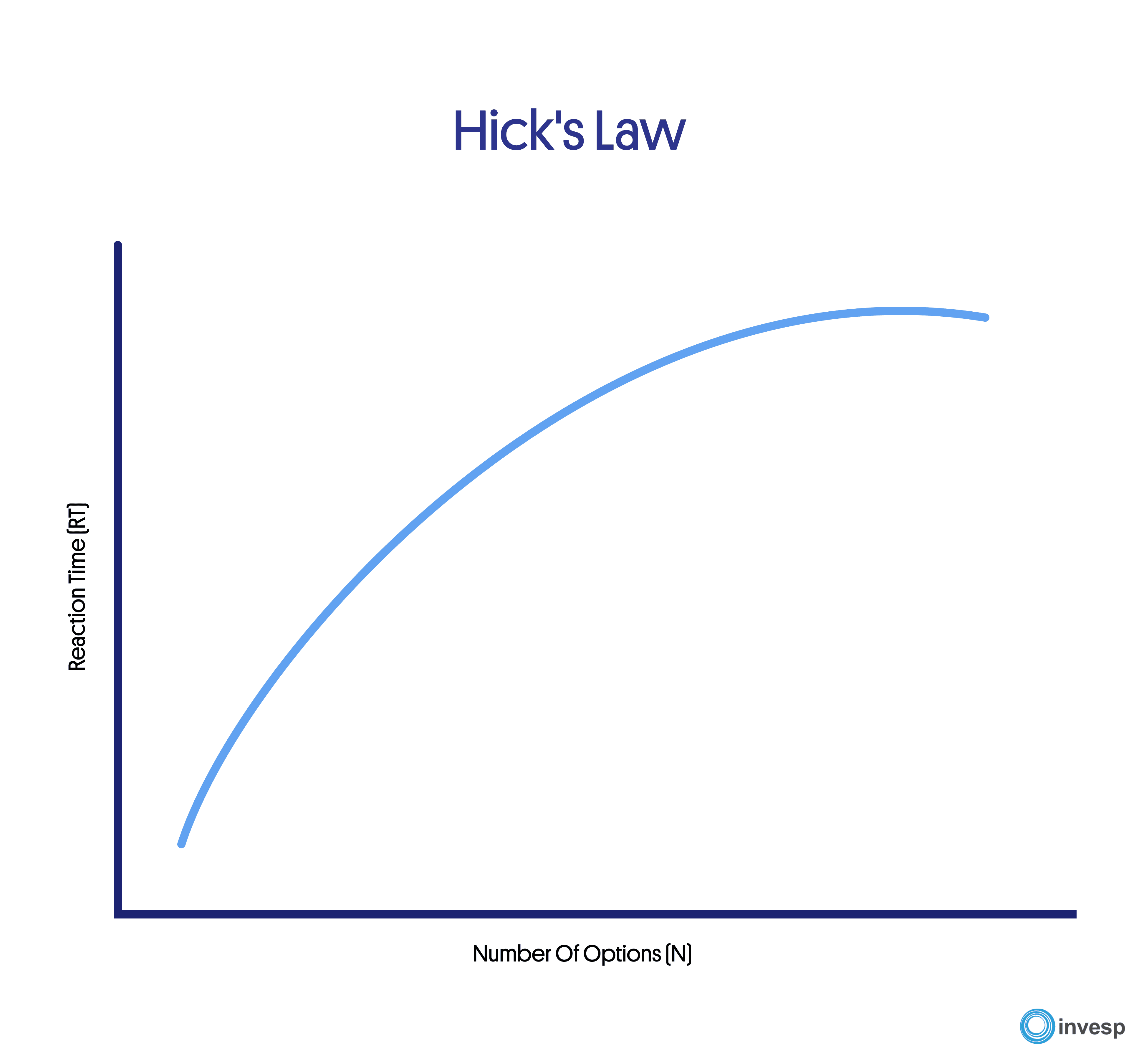
When you are standing in a chaotic billing queue, your brain is experiencing high cognitive load. The last thing you want is an app asking you to choose between twenty different payment options.
GPay applies Hick’s Law beautifully by giving you one primary, unmissable action trigger: The Blue "Scan QR" Button.
It is placed exactly where your thumb naturally rests (The Thumb Zone). Whether you want to pay a street vendor or a luxury store, the entry point to the core action is always the same. By hiding complex features deep inside sub-menus, they keep the primary flow entirely friction-free.
3. Designing for Low-Trust Environments
Let’s be honest: transferring money digitally can cause anxiety, especially when internet connections drop mid-way. Will my money disappear? Did the shopkeeper get it?
To combat this, GPay engineered a brilliant combination of Visual, Haptic, and Audio Feedback:
The Progress Loop: While the payment is processing, you see a smooth, calming animation rather than a harsh loading wheel.
The Delightful Screen Flash: The moment a payment succeeds, the screen bursts into a vibrant green color with a giant checkmark. Green universally triggers a psychological sense of safety and relief.
The "Ding" Sound: That distinct, satisfying chime sound when a transaction completes isn't accidental. It’s an auditory confirmation designed to assure both you and the shopkeeper that the money has left your account and safely reached theirs.
4. The Hook Model: Gamification Done Right
Why do people love using GPay even when other UPI apps do the exact same thing? The answer lies in their Variable Rewards System—specifically, Scratch Cards.
Human psychology loves unexpected rewards. If an app gives you a flat ₹2 cashback every single time, your brain gets bored. But when GPay gives you a scratch card that might contain ₹100 or might just say "Better luck next time," it triggers a dopamine rush. The physical gesture of rubbing your thumb against the screen to reveal the reward mimics a real-world lottery ticket, turning a boring financial transaction into a playful micro-moment.
The Ultimate Designer Takeaway
Google Pay’s massive success proves a core UX law: Simplicity wins over feature density. They didn’t build a better bank app; they built a wrapper around human behavior. By focusing on emotional design—reducing payment anxiety, treating transactions like chat conversations, and adding a touch of gamification—they transformed a complex banking system into India’s favorite daily reflex.
What's your favorite micro-interaction on Google Pay?